Most business owners in South-West Sydney are flushing money down the drain every single week, and they don’t even know it. They sign a waste contract, stick a bin out the back, and forget about it while the “big guys” in the waste industry creep up their rates every six months.
It’s a classic trap. You’re busy running a workshop in Moorebank or a cafe in Liverpool. You don’t have time to audit your rubbish. But here’s the uncomfortable truth: being inefficient with your waste is a tax on your bottom line. If your bin is being picked up half-empty, or you’re getting hit with “heavy load” penalties you didn’t see coming, you’re losing gear.
Managing commercial rubbish bins shouldn’t be a headache, yet most people find it more confusing than a BAS statement. This guide is here to pull back the curtain on how commercial waste bin hire actually works in the real world specifically for those of us operating across Campbelltown, Bankstown, and the surrounding industrial hubs.
The Reality of Commercial Waste Management Services
In Australia, and particularly in the high-growth corridor of South-West Sydney, waste isn’t just “junk.” It’s a regulated commodity. When you engage in commercial bin hire, you aren’t just paying for a plastic box on wheels. You’re paying for the logistics, the EPA compliance, and the tipping fees which, let’s be honest, aren’t getting any cheaper in NSW.
Why One Size Definitely Doesn’t Fit All
I’ve seen retail store owners in Fairfield try to use a standard skip bin for daily food waste. It’s a disaster. It smells, it attracts vermin, and it costs a fortune to swap out. Conversely, I’ve seen construction contractors in Camden use small wheelie bins for heavy concrete.
The first step to getting this right is matching the bin to your specific output.
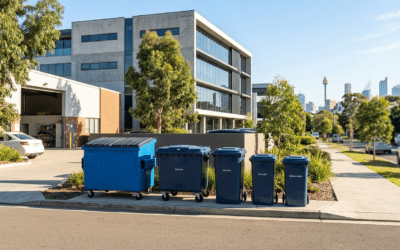
- Front-Lift Bins: These are the bread and butter of commercial waste management services. Usually 1.5m³ to 4.5m³, they stay on-site and are emptied by a truck with overhead arms. Ideal for cardboard, general office waste, and light industrial materials.
- Rear-Lift Bins: The standard 240L or 660L wheelie bins. Perfect for restaurants and cafes in Ingleburn or Bankstown where space is tight and access is limited.
- Skip Bins: Best for construction waste removal or one-off warehouse cleanouts. You fill it, we take the whole thing away.
Don’t guess your volume. For one week, actually look inside your bin the night before collection. If it’s only 60% full, you’re over-serviced. Call your provider and drop the frequency or the bin size. You could save $1,000+ a year just by making that one call.
Navigating the South-West Sydney Landscape
Operating a business in areas like Liverpool or Moorebank comes with unique logistical hurdles. We have some of the busiest industrial zones in the state, and traffic on the M5 or Milperra Road isn’t getting any better.
When looking for a waste contractor in South-West Sydney, local knowledge matters. A national company might promise a 6:00 AM pickup, but if their depot is in Blacktown, they’ll get caught in the M7 snarl and show up at noon, blocking your delivery dock right when your pallet arrival is due. Local waste collection services in NSW understand the backstreets of Campbelltown and the industrial layouts of Ingleburn.
Scheduled Garbage Pickup: The “Set and Forget” Myth
Many business owners think a scheduled garbage pickup means they never have to think about it again. That’s how you get complacent.
Your business fluctuates. If you’re a retail outlet, your waste peaks in December. If you’re a builder, it’s all about the project phase. A good provider won’t just lock you into a rigid 5-year contract; they’ll offer the flexibility to scale up or down based on what’s actually happening in your loading dock.
A Contrarian Take Most Waste Businesses Get Wrong
“Recycling is always cheaper than general waste.”
You’ll hear every consultant tell you to “just recycle more” to save money. In theory, they’re right. In reality? Contamination is a budget killer.
If you put a single bag of food scraps into your paper and cardboard recycling bin, the whole load is often classified as general waste at the sorting facility. You then get hit with a “contamination fee” on top of the higher general waste tipping rate.
Most waste companies won’t tell you this because they profit from the penalties. My advice? Unless you can guarantee a clean stream meaning your staff are actually trained and care about which bin is which sometimes it’s cheaper and more honest to just run a larger general waste bin than to run a “fake” recycling program that constantly incurs fines.
Common Mistakes in Commercial Bin Hire
Having spent years in the Sydney trade and service game, I’ve seen these three mistakes happen on repeat.
Many of these issues also overlap with everyday collection problems. Want a closer look at the mistakes businesses commonly make? Read our guide on Common Commercial Garbage Collection Mistakes in Sydney for practical advice on avoiding unnecessary costs and service disruptions.
- Ignoring Access Requirements: I once saw a warehouse manager in Bankstown order a 4.5m³ bin but forget that the overhead clearance in their driveway wouldn’t allow a front-lift truck to operate. They ended up paying for a “futile call-out” fee. Always check your heights and turning circles.
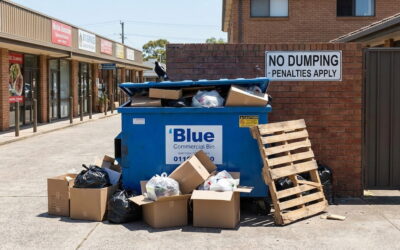
- Overfilling Bins: It’s tempting to pile that extra timber on top of the bin. Don’t. Not only is it a safety risk for the driver, but heavy or overfull bins can lead to refused pickups or extra weight charges.
- The “Cheapest Quote” Trap: If a quote for commercial rubbish bins looks way lower than the others, check the fine print for “environmental levies,” “fuel surcharges,” or “admin fees.” The headline rate is rarely the final price.
Why Local Expertise Matters for South-West Sydney
South-West Sydney is the engine room of NSW. From the retail heart of Liverpool to the manufacturing hubs of Moorebank, the waste needs here are diverse.
Using a local provider like Blue Commercial Bin means you’re dealing with people who know the local council regulations in Fairfield and the specific requirements for industrial waste bins in Campbelltown.
If you’re a restaurant or cafe owner, pay the extra couple of dollars for a “bin liner” service or a regular bin wash. In the Sydney summer heat, a dirty commercial bin isn’t just a smell issue; it’s a health inspector’s gateway to finding you.
How to Choose the Right Bin Sizes for Your Business
Choosing the right capacity is a balance between space and cost. Here is a quick reference guide we use for our clients:
Business TypeRecommended Bin TypeFrequencySmall Cafe / Retail240L – 660L Rear Lift2-3 times per weekMedium Office1.5m³ Front LiftWeeklyLarge Warehouse 3.0m³ – 4.5m³ Front LiftWeekly or FortnightlyConstruction Site2m³ – 6m³ Skip BinsOn-call / Project based.
Understanding bin sizes for businesses allows you to optimise your footprint. You don’t want a massive metal bin taking up two car spaces if you don’t need the volume.
Building a Sustainable Future (Without the Fluff)
We all want to do the right thing for the environment, but it has to make commercial sense. Eco-friendly waste management in South-West Sydney is about being smart, not just being “green.”
Start with cardboard. It’s the easiest thing to divert from landfill and usually the cheapest to have collected. Once you’ve mastered that, look at timber or plastic film. Small wins lead to lower waste bills and better outcomes for the local community.
Conclusion: Take Control of Your Waste
Commercial waste bin hire shouldn’t be a “hidden cost” that you just accept. It’s a service that should work for you, not the other way around. By matching your bin size to your actual output, being honest about your recycling capabilities, and working with a local South-West Sydney provider, you can turn a messy overhead into a streamlined part of your operations.
Stop letting your profits get hauled away in an oversized, overpriced bin.
Want to see if you’re overpaying for your current service?
Contact Blue Commercial Bin today for a straight-talking quote and a waste audit that actually makes sense for your South-West Sydney business. Or, learn more about our specific services and how we help local trades and business owners stay compliant and profitable.
Frequently Asked Questions
How do I choose the right commercial waste bin hire service for my business?
The right commercial waste bin hire service depends on the type of waste your business produces, the amount of waste generated each week, available space, and collection frequency. Working with a local provider like Blue Commercial Bin helps ensure your bin size and collection schedule suit your business needs.
What size commercial waste bin do I need?
The ideal bin size depends on your industry and waste volume. Small offices and cafés often use 240L or 660L bins, while warehouses and industrial sites may require larger front-lift bins or skip bins. If you’re unsure, a waste assessment can help determine the most suitable option.
How often should commercial waste bins be collected?
Collection frequency varies by business. Restaurants and food businesses may require multiple collections each week, while offices or warehouses may only need weekly or fortnightly pickups. Reviewing your waste volume regularly helps avoid paying for unnecessary collections.
What types of businesses use commercial waste bin hire?
Commercial waste bin hire is suitable for a wide range of businesses, including offices, retail stores, cafés, restaurants, warehouses, factories, construction sites, schools, medical centres, and strata-managed properties.
What can be placed in commercial waste bins?
General commercial waste bins are designed for everyday business rubbish. Depending on your service, separate bins may also be available for cardboard, paper, plastics, mixed recycling, green waste, or construction materials. Hazardous waste should always be disposed of through approved collection services.
Why is proper commercial waste management important for Sydney businesses?
Effective commercial waste management helps businesses maintain clean premises, meet NSW environmental requirements, reduce workplace hazards, and improve operational efficiency. It can also help lower waste disposal costs over time.
What happens if a commercial waste bin is overloaded?
Overfilled bins can create safety risks and may result in refused collections or additional charges. Keeping waste below the fill line and choosing the correct bin size helps ensure collections are completed safely and on schedule.
Can I change my commercial waste collection schedule?
Yes. Many businesses adjust their collection frequency as operations change throughout the year. Seasonal demand, business growth, or special projects may require more or fewer collections to match waste volumes.
Why should I choose a local commercial waste provider in South-West Sydney?
A local provider understands council requirements, traffic conditions, and the needs of businesses across South-West Sydney. This often results in more reliable collection times, quicker support, and services better suited to local industries.
How can Blue Commercial Bin help my business?
Blue Commercial Bin provides reliable commercial waste bin hire, scheduled waste collection, and practical waste management solutions for businesses across Sydney and South-West Sydney. The team works with you to recommend suitable bin sizes, collection schedules, and waste services that keep your site clean, compliant, and operating efficiently.